











Ridges on Nails? Here's How to Care for Them
If you’ve noticed faint lines or ridges forming along your nails, you’re not alone.
Nail ridges are a common change in nail texture and are usually harmless.
According to dermatology resources, ridges appear when the nail plate forms unevenly as it grows from the nail matrix beneath the cuticle. These variations can develop naturally over time or appear temporarily after minor disruptions to nail growth.
Understanding why nail ridges occur can help you support healthier nails, whether you prefer professional salon visits or caring for your nails at home.

🔬 What Causes Nail Ridges?
Nail ridges often develop due to small changes in the nail growth process. Research from dermatology experts highlights several contributing factors.
Natural aging
Vertical ridges frequently become more visible with age as the nail plate gradually changes in structure. According to the American Academy of Dermatology, these ridges are considered a normal part of aging nails.
Minor trauma to the nail matrix
The nail matrix produces the keratin cells that form the nail plate. Even minor bumps or pressure in this area can temporarily affect nail formation, leaving faint ridges as the nail grows outward.
Temporary physiological stress
Illness, fever, or metabolic stress can interrupt the normal nail growth cycle. According to Verywell Health’s medical review, this interruption can lead to horizontal grooves known as Beau’s lines.
🧠 When Are Ridges Normal?
In most cases, vertical ridges are simply part of the nail’s natural texture. Dermatology guidance indicates that if nails remain strong, flexible, and free from discoloration or pain, ridges alone are not usually a cause for concern.
Since fingernails grow slowly, typically 2–3 millimeters per month, ridges may represent events that occurred weeks earlier during nail formation.
⚠️ When to Seek Advice
You may want to consult a healthcare professional if you notice:
• Deep horizontal ridges across multiple nails
• Rapid changes in nail shape, thickness, or texture
• Nails becoming brittle, splitting, or painful
• Discoloration or signs of infection
Medical experts note that these symptoms may signal a more significant disruption in nail growth that requires evaluation.
💅 Supporting Your Nails at Home
Healthy nail care habits can help maintain smooth, resilient nails even when ridges are present.
Hydration first
Regularly applying cuticle oil helps nourish the nail matrix and maintain flexibility in the nail plate.
Gentle filing
Use soft buffers and avoid aggressive scraping that can weaken the nail surface.
Protective base coats
Using high-quality base coats helps create a smoother surface before applying polish.
Breathable nail color
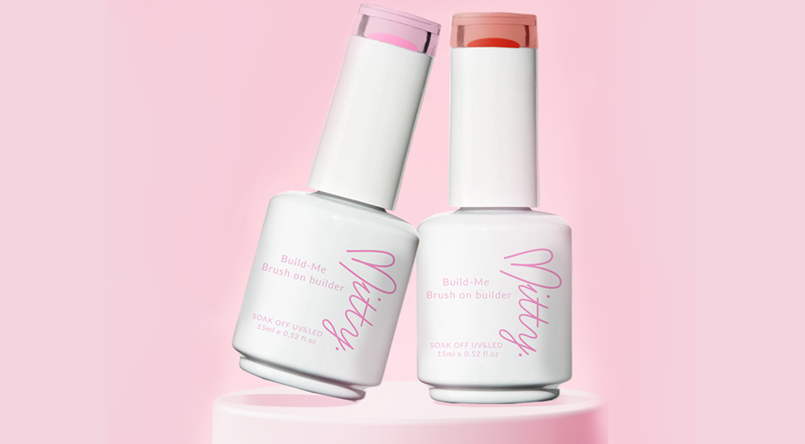
Mitty’s plant-based nail polishes are formulated to allow nails to remain flexible and healthy while providing long-lasting colour.
These simple steps help support healthy nail growth while maintaining a polished appearance.
💖 Final Thoughts
Nail ridges are a normal variation in nail texture for many people. With proper hydration, gentle care, and supportive nail products, it’s possible to maintain strong, smooth, and healthy-looking nails.
✨ Discover Mitty’s Plant-Based Nail Collection Today


Leave a comment