

Does Gel Weaken Your Nails Over Time? The Truth Behind the Myth
 If your nails feel thin, soft or brittle after removing a gel manicure, you might wonder: does gel weaken your nails over time?
The answer isn't as simple as yes or no.
Gel doesn't automatically weaken your natural nails. However, if the nails are over-filed, gel is picked or peeled off, or removal isn't done correctly, then there is a risk that you may be damaging your nails.
For DIY nail lovers, understanding what happens during application, wear and removal is key to protecting the natural nail underneath.
Myth: Gel Automatically Damages Your Nails
Gel products are designed to sit on top of your natural nail. The bigger concern is often how the product is applied and removed.
Your natural nails are made of layers of keratin. When you aggressively file, scrape or peel product from the nail, you can remove some of those layers too.
This can leave nails feeling:
- Thin
- Soft or flexible
- Rough
- Peeling
- More prone to breaking
So if your nails feel weaker after a gel manicure, don't immediately blame the gel itself.
The technique and removal process matter, too.
Improper Removal Can Damage Your Nails
One of the biggest mistakes DIY nail lovers can make is peeling off gel.
When gel starts lifting, it can be tempting to pull it off. But the product can take layers of the natural nail with it.
Aggressive scraping and excessive filing can also damage the nail plate. The American Academy of Dermatology recommends removing gel carefully rather than picking or filing it off aggressively.
Soft Gel: Reduce, Soak, Gently Remove
Soft gel systems are designed to be removed by soaking, although the exact process depends on the product.
Examples can include:
- Gel polish
- Some BIAB systems
- Other soak-off builder gels
A typical removal process is:
Reduce → Soak → Gently Remove
First, reduce the bulk of the product without filing into the natural nail. Then soak according to the manufacturer's instructions and gently remove the softened product.
If it doesn't come off easily, don't force it.
Give it more time to soften instead of scraping or peeling.
What About Hard Gel?
Hard gel is different.
Hard gel does not soak off like a soft gel system. It generally needs to be carefully reduced using a hand file or e-file.
This is why knowing what type of gel you're using is important before you begin removal.
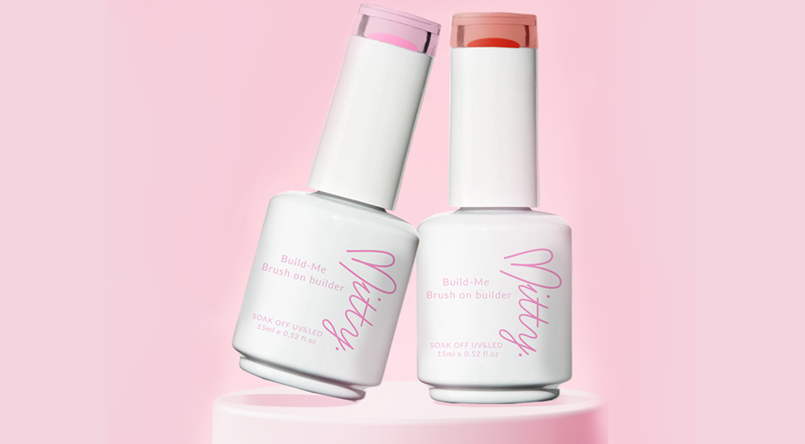
And one common misconception is that all builder gels are the same. Builder gel can be formulated as either soak-off or file-off, depending on the product. BIAB, or Builder In A Bottle, is a type of builder gel, and generally speaking if soak-off gel.
Your Nails Can Change for Other Reasons
Not every nail change is caused by your manicure.
Nail health can also be affected by things such as:
- Certain health conditions
- Medications
- Hormonal changes
- Nutritional deficiencies
- Repeated exposure to water or chemicals
If you notice a sudden or persistent change in your nails, don't simply cover it with another manicure.
Speak with your GP or dermatologist if you're concerned.
Can Nutrition Affect Nail Health?
Nutrition can play a role in healthy nails.
Iron, zinc and vitamin B12 are examples of nutrients associated with nail health, and deficiencies can sometimes cause nail changes.
However, that doesn't mean you should automatically start taking supplements.
If you suspect a deficiency, speak with your GP before supplementing.
A nail problem doesn't necessarily mean you're lacking a particular vitamin, and unnecessary supplementation isn't always helpful.
Dry Nails Can Become Brittle Nails
Your nails also need proper care to stay flexible.
Repeated exposure to water, cleaning products and other chemicals can contribute to dry or brittle nails.
This is where a simple habit can help:
Use Cuticle Juice Regularly
Applying cuticle juice daily helps condition the nails and surrounding skin.
Make it part of your nighttime routine or apply it after washing your hands.
And don't forget your hands. Moisturising them regularly can help keep the skin around your nails comfortable and conditioned.

6 Ways to Protect Your Natural Nails
1. Know How Your Gel Is Removed
Before applying gel, find out whether it's a soak-off or file-off system.
Never guess.
2. Never Peel or Pick
If your gel starts lifting, don't pull it off. Remove it using the correct method for the product.
3. Avoid Over-Filing
You don't need to aggressively thin your natural nail to prepare it for gel.
Use gentle, controlled preparation and avoid filing directly into the natural nail.
4. Use Cuticle Juice
Make daily cuticle juice part of your nail-care routine to help keep your nails and surrounding skin conditioned.
5. Wear Gloves
Wear gloves when washing dishes or using cleaning products to reduce repeated exposure to water and chemicals.
6. Pay Attention to Changes
Notice something unusual or persistent?
Don't just cover it with another manicure. Give your nails a closer look and speak with a GP or dermatologist if needed.
So, Does Gel Weaken Your Nails?
Gel doesn't automatically weaken your nails.
The condition of your natural nails depends on much more than the product itself.
Preparation matters.
Application matters.
Removal matters.
Aftercare matters.
For DIY nail lovers, one of the most important habits is simple:
Don't rush the removal.
Whether you're soaking off a soft gel or reducing a file-off system, follow the manufacturer's instructions and protect the natural nail underneath.
Because a great manicure shouldn't just look good.
Your natural nails should feel good underneath it, too.


Leave a comment