



Hangnails: What Causes Them and How to Prevent Them
That tiny piece of torn skin beside your nail can be surprisingly painful.
You've probably experienced a hangnail at some point. They can catch on clothing, feel sore when touched and make your hands look less polished.
But what actually causes hangnails? And does getting more aggressive with your cuticles really help prevent them?
Not usually.
Hangnails are often a sign that the skin around your nails needs more moisture and protection, not more cutting.
What Is a Hangnail?
A hangnail is a small piece of torn, dead skin that develops along the side of the nail or around the cuticle area.
Despite its name, a hangnail isn't part of your nail. It's skin that has become dry, damaged or irritated and has torn away from the surrounding area.
Because the skin around your nails is constantly exposed to water, soap, sanitiser, cleaning products and everyday friction, it can easily become dry and vulnerable to tearing.
And once you have one, it can be tempting to simply pull or bite it off.
Try not to.
Pulling at a hangnail can tear healthy skin along with it, causing more irritation and making the area slower to heal.
The Biggest Hangnail Misconception
“I get hangnails because I need to cut my cuticles more.”
This is one of the most common misconceptions about hangnails.
While proper cuticle care can help keep your manicure looking neat, cutting more skin isn't necessarily the answer to preventing hangnails.
In fact, overworking or aggressively cutting the skin around your nails can contribute to irritation and damage.
For DIY nail enthusiasts, the goal should be simple:
Keep the skin around your nails healthy, hydrated and protected.
What happens between manicures can make just as much difference as how you prep your nails before applying polish.
What Causes Hangnails?
There isn't always one single cause. Hangnails can develop when the skin around your nails becomes dry, dehydrated or damaged.
1. Dry or Dehydrated Skin
When skin loses moisture, it can become dry, brittle and less flexible.
This makes it easier for the delicate skin around your nails to crack or tear, creating the perfect conditions for hangnails.
Frequent hand washing, hot water and low humidity can all contribute to dry skin.
Mitty tip: Keep a bottle of Mitty Cuticle Juice somewhere you'll see it, such as beside your bed or at your desk. The easier it is to reach, the easier it is to make cuticle care part of your daily routine.

2. Picking or Pulling at the Skin
That little piece of loose skin can be difficult to ignore.
But picking, biting or pulling at the skin around your nails can create tiny tears. Those tears can develop into painful hangnails or leave the surrounding area irritated.
If you notice a loose piece of skin, resist the urge to pull it.
Instead, gently care for the surrounding skin and avoid making the tear bigger.
3. Frequent Exposure to Harsh Products
Your hands come into contact with more products than you may realise.
Acetone, cleaning products, strong soaps and frequent use of sanitiser can remove some of the skin's natural oils, leaving the area around your nails feeling dry.
You don't necessarily need to avoid these products. The important part is remembering to replenish moisture afterwards.
After nail removal: Once you've finished removing your nail product, give your hands and cuticles some extra care. Apply Mitty Cuticle Juice around the nails and follow with a hand moisturiser or Mitty Hand Serum to help condition dry-feeling skin.
4. Cold, Wind and Low Humidity
Environmental conditions can also affect the skin around your nails.
Cold weather, wind and dry indoor air can cause moisture to evaporate from the skin, leaving it more vulnerable to dryness and cracking.
If your hands tend to feel particularly dry during certain seasons, increase how often you moisturise your hands and condition your cuticles.
5. Extreme Temperatures
Very hot water and freezing temperatures can both be hard on your hands.
Repeated exposure to temperature changes can contribute to dryness and irritation, particularly when combined with frequent hand washing or other environmental factors.
Try using comfortably warm rather than very hot water when washing your hands.
6. Everyday Friction
Sometimes it's simply everyday life.
Opening packaging, cleaning, washing dishes or repeatedly rubbing your hands against surfaces can create friction around the nail area.
When the skin is already dry, even small amounts of friction can contribute to tearing.
How to Prevent Hangnails
The good news? Hangnails are often easier to prevent when you make nail and cuticle care part of your regular routine.
1. Make Cuticle Juice Part of Your Daily Routine
One of the simplest ways to care for the skin around your nails is to use cuticle juice regularly.
Mitty Cuticle Juice is designed to condition the cuticle area and help keep the surrounding skin feeling soft and moisturised.
For a simple routine, apply a small amount around each nail and massage it into the skin.
Try morning and night for consistency.
You can also apply it after washing your hands, showering or removing nail products whenever your cuticles feel dry.
The goal isn't to use a lot of oil. A small amount used consistently can go a long way.

2. Don't Pick or Bite Your Cuticles
If you notice a dry piece of skin, don't pull it.
Picking and biting can create additional tears and irritation around the nail.
Instead, keep the area conditioned and allow the skin to remain intact as much as possible.
3. Be Gentle During Your At-Home Manicure
Doing your nails at home doesn't mean you need to be aggressive with your cuticles.
Avoid excessive pushing, scraping or cutting of the skin. Your cuticles have a protective role, so nail prep should focus on keeping the area clean and tidy without unnecessarily damaging the surrounding skin.
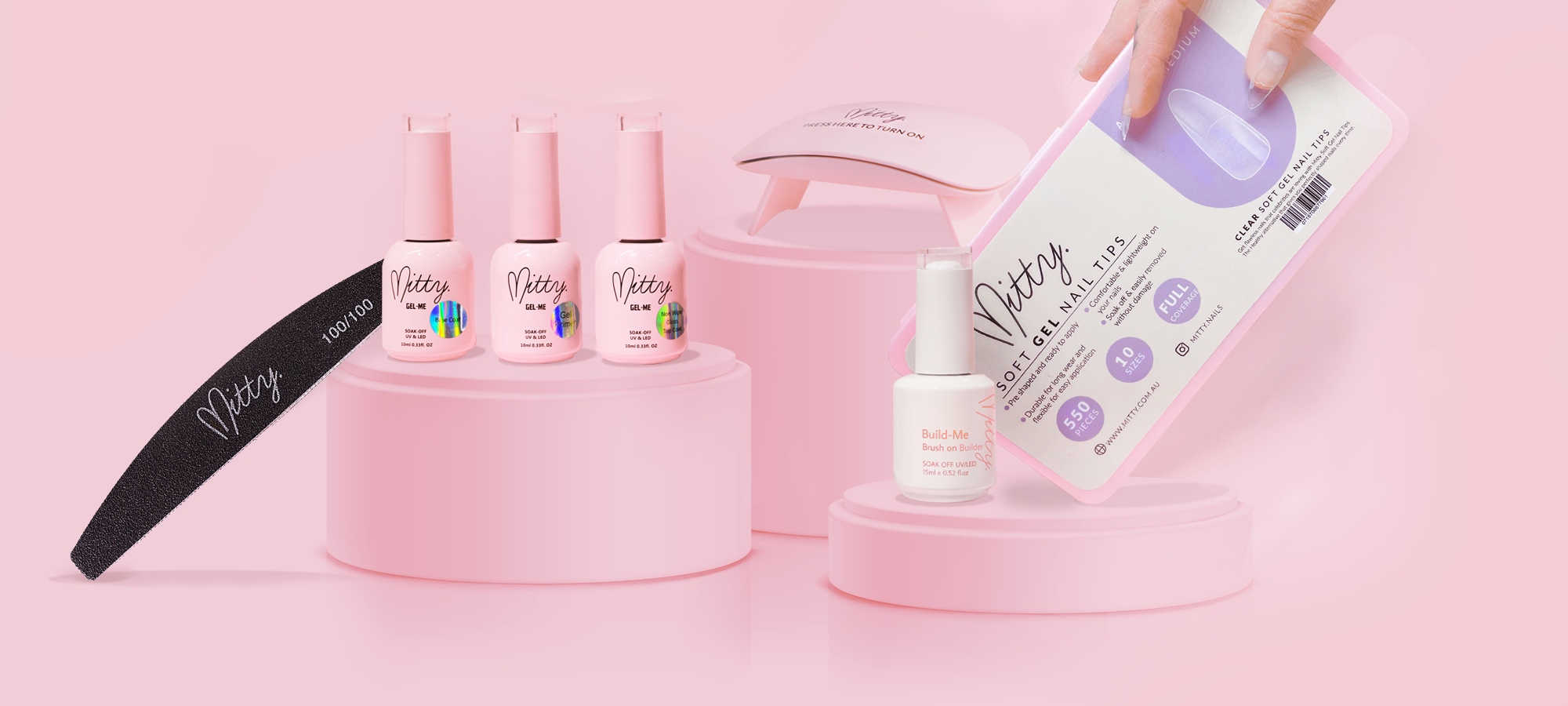
If you're building your at-home manicure routine, the Mitty Mani Kit can help keep your essential manicure products together, making it easier to maintain a consistent routine without overcomplicating your nail prep.
More cuticle cutting doesn't automatically mean healthier nails

4. Protect Your Hands
If you're cleaning, washing dishes or working with products that can dry out your hands, consider wearing gloves where appropriate.
This can help reduce repeated exposure to water and household cleaning products.
And after washing your hands, don't forget to moisturise.
5. Don't Forget Your Hands
Cuticle care shouldn't stop at the nail.
The skin on your hands can also become dry and dehydrated, so keeping your hands moisturised supports the overall condition of the skin around your nails.
For an extra conditioning step, Mitty Hand Serum can be worked into your hands whenever they feel dry, specially before bed.
Think of your routine as caring for the whole area, not just the nail itself.

What Should You Do If You Already Have a Hangnail?
If you already have a hangnail, don't rip, bite or pull it off.
First, wash your hands and gently soften the surrounding skin with warm water.
If the loose piece of skin is catching on things, you can carefully trim only the detached portion with clean, suitable nail or cuticle nippers. Avoid cutting into attached or healthy skin.
Afterwards, keep the area clean and apply Mitty Cuticle Juice around the surrounding skin to help keep it conditioned.
If the area becomes increasingly red, swollen, warm, very painful or produces pus, it may be a sign of infection. In that case, seek medical advice rather than continuing to treat it as a simple hangnail.
Your Simple Mitty Hangnail Prevention Routine
You don't need a complicated routine to look after your cuticles.
Morning
Apply Mitty Cuticle Juice around each nail and gently massage it into the surrounding skin.
During the Day
Moisturise your hands after washing them, particularly if they feel dry.
After Your Manicure
Once you've finished your at-home manicure, give your cuticles a little extra attention with Cuticle Juice.
After Nail Removal
Acetone and frequent product removal can leave your hands feeling dry. Follow removal with cuticle juice and hand care.
Before Bed
Apply Mitty Cuticle Juice to your cuticles and Mitty Hand Serum to your hands for an easy overnight conditioning routine.
The key isn't doing everything perfectly. It's doing a little consistently.
Why Daily Cuticle Care Matters
Think of your cuticles like the rest of your skin.
When they're dry and neglected, they're more likely to become rough, cracked and irritated. When they're consistently conditioned, they can stay softer and more flexible.
Regular cuticle care can help:
- Keep the skin around your nails hydrated
- Reduce dryness and roughness
- Help prevent cracking and tearing
- Keep cuticles feeling soft and conditioned
- Reduce the likelihood of painful hangnails
- Keep your manicure looking neater between applications
And it only takes a few seconds.
A small amount of cuticle oil twice a day can become one of the easiest habits in your nail routine.
Healthy Cuticles Start Between Manicures
Your manicure might last a week or two, but your cuticle care happens every day.
That's why preventing hangnails isn't about constantly cutting away the skin. It's about keeping the skin around your nails hydrated, protected and healthy between manicures.
Keep your hands moisturised. Be gentle during nail prep. Avoid picking and pulling. And make cuticle oil part of your daily routine.
Healthy, hydrated skin is softer, more flexible and less likely to crack and tear.
So the next time you spot a hangnail, don't automatically reach for the nippers.
Start with better daily care.
A few seconds of Mitty Cuticle Juice each day could be the simple step your nail routine has been missing.


Leave a comment