

Why Your Nails Keep Breaking, Even With BIAB
BIAB has earned a reputation for helping people grow stronger, longer natural nails. But if your nails are still weak, brittle, or constantly breaking despite having BIAB applied, you're not alone.
The truth is, BIAB isn't a cure for damaged nails. It's a protective overlay that can support natural nail growth, but the health of your nails still depends on factors like hydration, lifestyle habits, application quality, and proper removal. Experts consistently identify moisture imbalance, repeated trauma, and harsh removal methods as some of the leading causes of brittle nails.
BIAB Can Only Do So Much
BIAB helps reinforce the natural nail, but it can't completely prevent breakage if the nail underneath is already thin, weak, or damaged.
One common BIAB problem is insufficient structure. If BIAB is applied too thinly, particularly on longer nails, it may not provide enough support to absorb everyday pressure. This can lead to cracks, lifting, or breakage despite having product on the nail. Community discussions among nail technicians frequently highlight application thickness and structure as key factors in durability.
The Hidden Causes of Weak Nails
Dehydration
Weak nails are often dehydrated nails.
Frequent hand washing, cleaning products, sanitisers, and repeated wetting and drying can strip moisture from the nail plate, leaving nails brittle, thin, and prone to splitting.
Picking and Peeling
If you're picking at lifting product or peeling off gel polish, you're likely removing layers of your natural nail along with it. Over time, this can leave nails thinner and more vulnerable to breakage.
Using Your Nails as Tools
Opening cans, scratching labels, or prying open packaging may seem harmless, but repeated trauma can weaken the nail structure and lead to cracks and splits.
Poor Removal Techniques
Many people blame BIAB when their nails become weak, but the real issue is often how the product is removed.
Aggressive filing, scraping, or peeling product away can damage the nail plate and leave nails thin, sensitive, and brittle. Proper removal is just as important as proper application.
Could Your Diet Be Affecting Your Nails?
Nails are made from keratin, a protein that relies on nutrients to grow strong and healthy.
Low protein intake, iron deficiency, and other nutritional imbalances can contribute to brittle nails and slow nail growth. If your nails seem consistently weak despite good nail care habits, it may be worth considering whether your diet is providing the nutrients your nails need.
Nail Strengthening Tips That Actually Work
If your nails keep breaking even with BIAB, focus on the habits that support healthy nail growth:
-
Apply cuticle oil daily to keep nails flexible and hydrated.
-
Wear gloves when cleaning or washing dishes.
-
Avoid picking, peeling, or biting your nails.
-
File gently in one direction to prevent splitting.
-
Eat a balanced diet rich in protein, iron, and zinc.
-
Ensure BIAB is applied and removed correctly.
-
Keep nails at a practical length while recovering from damage.
Daily cuticle oil is one of the simplest and most effective ways to improve nail flexibility and reduce brittleness over time.
The Bottom Line
BIAB can be a fantastic tool for protecting natural nails, but it isn't a solution for every nail concern. If your nails keep breaking, the cause is often a combination of dehydration, picking habits, improper removal, poor application, or underlying nail health.
The good news? Consistent care makes a difference. By focusing on hydration, gentle maintenance, and healthy nail habits, you can support stronger natural nails and get more from your BIAB manicures.
Build Stronger Nails From the Ground Up
If weak or brittle nails are holding you back, small changes can make a big difference. Daily cuticle care, proper nail maintenance, and quality nail products all play a role in supporting healthy nail growth.
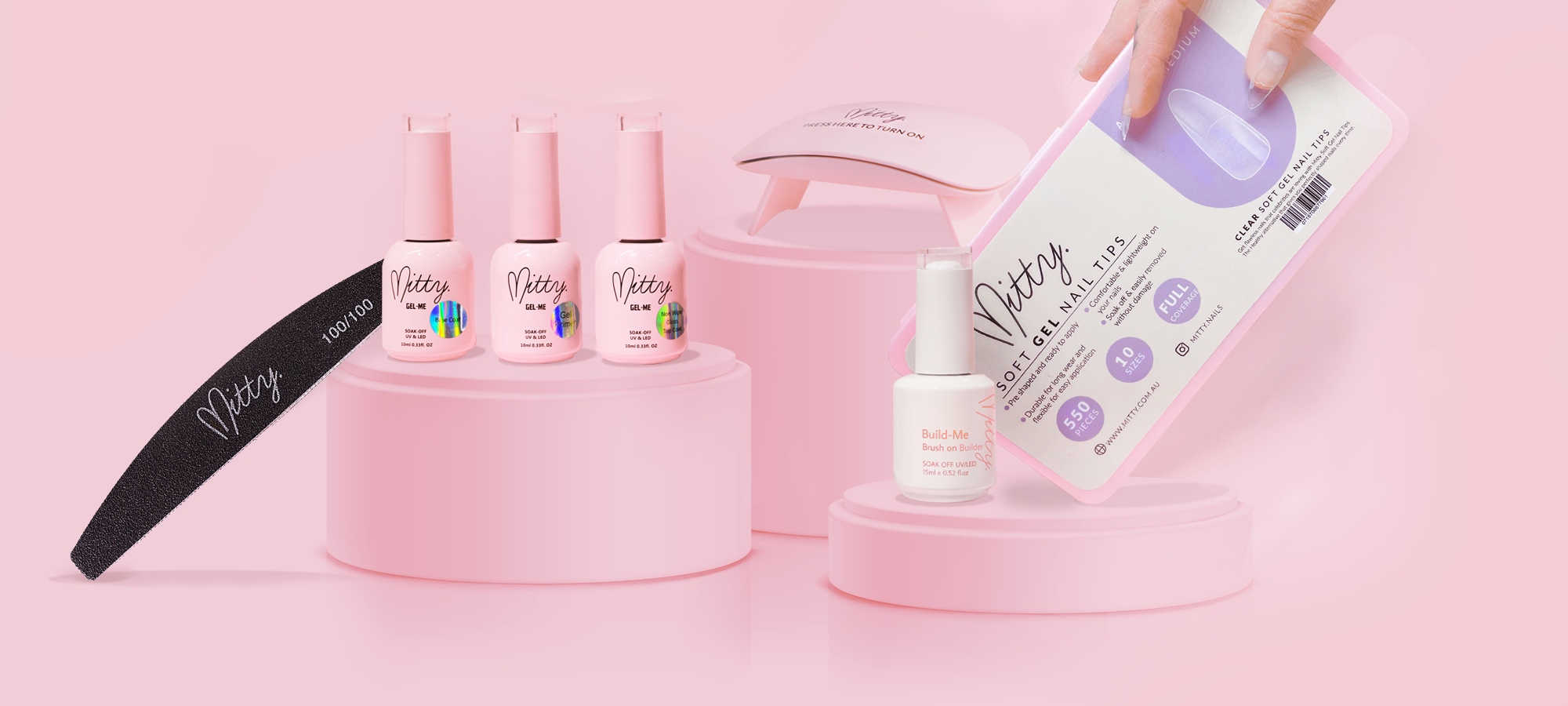
Explore Mitty's range of BIAB, cuticle oils, and nail care essentials designed to help you achieve stronger, healthier nails.


Leave a comment